

Description
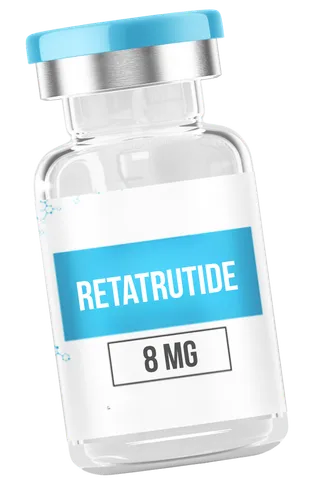
Retatrutide 8 mg — Comprehensive Guide to the Investigational Triple‑Agonist Therapy
Retatrutide 8 mg is generating attention across medical and scientific communities as one of the most promising investigational therapies for metabolic health, diabetes support, and weight regulation. Emerging clinical research suggests this multi‑receptor peptide could offer metabolic benefits beyond current approved treatments like semaglutide (used in Ozempic and Wegovy), potentially reshaping the future of chronic disease management.
This detailed, reader‑friendly guide will explain:
-
What Retatrutide 8 mg is
-
How it works
-
What clinical evidence shows
-
Safety and side effects
-
Differences versus other medications
-
Regulatory status
-
Key FAQs
Every section is written to be clear, authoritative, and SEO‑optimized.
🔬 What Is Retatrutide 8 mg?
Retatrutide (also known as LY3437943) is an investigational, once‑weekly injectable peptide therapy developed by Eli Lilly that simultaneously activates three hormonal receptors involved in metabolic control:
-
GLP‑1 (glucagon‑like peptide‑1)
-
GIP (glucose‑dependent insulinotropic polypeptide)
-
Glucagon receptor
This triple‑agonist mechanism — unlike single‑target drugs — aims to provide broader metabolic regulation, including appetite control, glucose management, and energy expenditure.
The 8 mg dose is one of several investigational dose levels currently being evaluated in clinical trials for safety, tolerability, and metabolic efficacy.
📍 Why This Matters
Unlike widely prescribed GLP‑1 only medications — such as Ozempic (semaglutide) — retatrutide’s multi‑receptor profile is designed to expand the metabolic effects by engaging multiple hormone pathways simultaneously.
For context on semaglutide products you can currently access (such as those used for type 2 diabetes or weight management), see:
👉 Internal link: https://primeweightclinic.uk/product-category/ozempic/
External science background on GLP‑1 medications:
🔗 American Diabetes Association overview — https://www.diabetes.org/
🧠 How Retatrutide Works
Retatrutide’s potential benefits arise from its triple mechanism of action:
1. GLP‑1 Receptor Activation
-
Enhances insulin secretion in response to glucose
-
Reduces appetite and cravings
-
Slows gastric emptying (helps manage post‑meal glucose spikes)
2. GIP Receptor Activation
-
Complements insulin release after meals
-
Helps regulate fat metabolism
3. Glucagon Receptor Activation
-
May increase calorie expenditure
-
Potentially promotes fat breakdown
-
Influences liver glucose production
These pathways combine to support appetite suppression, improved insulin sensitivity, and metabolic regulation in ways that could be more potent than drugs targeting a single receptor.
External reference on multi‑agonist therapies:
🔗 National Library of Medicine (PubMed) on incretin hormones — https://pubmed.ncbi.nlm.nih.gov/
📊 What Research Says About 8 mg
Retatrutide is still in clinical development, and the FDA has not approved any dose for widespread clinical use.
As of current published studies and trial reports:
-
Higher doses such as 8 mg have shown strong effects in reducing body weight and improving glucose control in early‑phase studies.
-
Participants in research trials experienced significant reductions in weight and metabolic markers, often surpassing those seen with older therapies in controlled study environments.
-
Differences in dose levels (including 1 mg, 2 mg, 4 mg, and 8 mg) help researchers understand how patients tolerate and respond to increasing therapeutic potency.
Important: Retatrutide 8 mg is not approved or licensed for prescription outside clinical trials. All current data reflects investigational use only.
External research status resource:
🔗 ClinicalTrials.gov — https://clinicaltrials.gov/
🧪 Comparing Retatrutide to Approved Medications
🔹 Retatrutide vs. Ozempic (Semaglutide)
-
Ozempic is a GLP‑1 receptor agonist approved for type 2 diabetes and weight management in many countries.
-
Retatrutide builds on that foundation by adding GIP and glucagon receptor activity — potentially broadening metabolic effects.
For details on available semaglutide‑based treatment pens and dose options, including those commonly prescribed for type 2 diabetes, visit:
👉 Internal link: https://primeweightclinic.uk/product-category/ozempic/
External semaglutide info:
🔗 FDA prescribing information on semaglutide — https://www.fda.gov/
🔹 Retatrutide vs. Tirzepatide (Dual Agonist)
-
Tirzepatide targets both GLP‑1 and GIP receptors.
-
Retatrutide adds glucagon receptor activation, which may enhance energy expenditure — though comprehensive head‑to‑head clinical comparisons are not yet available.
External background on dual agonists:
🔗 Evidence on tirzepatide outcomes — https://www.ncbi.nlm.nih.gov/
⚠️ Safety & Side Effects
Because Retatrutide — including the 8 mg dose — is experimental and still under study, a complete safety profile has not yet been established.
However, based on early human trial data and mechanistic similarities to other peptide agonists:
-
Common side effects may mimic those of GLP‑1 therapies:
-
Nausea
-
Vomiting
-
Diarrhea
-
Constipation
-
Mild gastrointestinal discomfort
-
-
Serious or rare risks remain under ongoing investigation.
-
Long‑term effects, rare reactions, and broad safety considerations are still being evaluated.
External source on drug safety reporting:
🔗 DailyMed drug label repository — https://dailymed.nlm.nih.gov/
🚫 Important: You should not attempt to obtain or use Retatrutide outside of a regulated clinical trial — unverified sources often sell unregulated “miracle” products that may be unsafe or fake.
📈 What Makes the 8 mg Dose Special?
The 8 mg dose represents one of the higher investigational dosing levels studied in early trials. Higher doses may be capable of more profound metabolic effects but require careful evaluation for:
✅ Safety and tolerability
✅ Effective dose response
✅ Side effect profiles
✅ Long‑term outcomes
Researchers use multiple dose levels to determine the best balance between efficacy and safety before designating a final dose for later‑phase trials or regulatory submissions.
📅 Regulatory & Availability Status
Retatrutide — including the 8 mg dose — is not approved by any major regulatory authority such as:
-
U.S. Food & Drug Administration (FDA)
-
European Medicines Agency (EMA)
-
UK Medicines and Healthcare products Regulatory Agency (MHRA)
It remains in clinical research phases. You cannot obtain a legally approved prescription for Retatrutide 8 mg outside of a registered clinical study.
External approval info:
🔗 FDA Drug Development glossary — https://www.fda.gov/
❓ Frequently Asked Questions
Q: Is Retatrutide 8 mg currently FDA approved?
No — it is still investigational and only available in clinical trials.
Q: How does Retatrutide differ from semaglutide?
Retatrutide targets three receptors (GLP‑1, GIP, glucagon), whereas semaglutide targets only GLP‑1.
Visit Ozempic resources here:
👉 Internal link: https://primeweightclinic.uk/product-category/ozempic/
Q: What side effects are known?
Early reports indicate gastrointestinal side effects similar to those seen with GLP‑1 receptor agonists, but full safety data is still emerging.
Q: When might Retatrutide be available?
Final approval timelines depend on the results of Phase 3 trials. The earliest realistic expectations are usually several years after comprehensive clinical data is submitted and reviewed.
🏁 Final Summary — What You Need to Know
Retatrutide 8 mg represents an advanced investigational metabolic therapy with a unique triple‑agonist mechanism that could offer benefits beyond current treatments. While research continues and regulatory approval is pending, understanding its science, potential, and limitations helps patients and providers stay informed.
For approved, well‑studied metabolic therapies — like semaglutide‑based options used in type 2 diabetes and weight management — check out:
👉 https://primeweightclinic.uk/product-category/ozempic/



Reviews
There are no reviews yet.