


Description
Ultimate Guide to Retatrutide 1 mg — What It Is, How It Works & What the Research Says
Retatrutide 1 mg represents one of the most exciting investigational medications in metabolic medicine today. Though not yet approved for general clinical use, early scientific evidence suggests that this triple‑hormone receptor agonist could transform how doctors treat obesity and type 2 diabetes — potentially outperforming existing therapies like semaglutide (the active ingredient in Ozempic) and tirzepatide.
This comprehensive article explains everything you need to know about Retatrutide 1 mg — in clear, humanly written detail — and includes both internal links and external links to authoritative sources.
🧬 What Is Retatrutide?
Retatrutide (code name LY3437943) is an investigational once‑weekly injectable medication developed by Eli Lilly that activates three metabolic receptors simultaneously:
-
GLP‑1 receptor — similar to drugs like Ozempic and Wegovy
-
GIP receptor — also targeted by tirzepatide
-
Glucagon receptor — a unique mechanism that may increase energy expenditure and fat breakdown
Because it engages all three pathways, researchers sometimes call Retatrutide a “triple‑agonist.” This multi‑target action distinguishes it from older GLP‑1‑only drugs and may contribute to deeper metabolic effects.
🧠 How Retatrutide Works
At a mechanistic level, each receptor contributes differently:
🔹 GLP‑1 Receptor:
-
Helps regulate appetite
-
Slows gastric emptying
-
Enhances glucose‑dependent insulin release
🔹 GIP Receptor:
-
Boosts meal‑related insulin responses
-
May help preserve lean muscle during weight loss
🔹 Glucagon Receptor:
-
Promotes thermogenesis (heat production)
-
Increases hepatic fat oxidation
-
May raise basal metabolic rate (BMR)
Combined, these actions offer appetite suppression + metabolic acceleration + fat burning potential — something unmatched by most current therapies.
📊 What the Research Shows (Including 1 mg Dose)
Retatrutide is still under clinical evaluation and not FDA‑approved, meaning it is not available in pharmacies or for general prescription.
However, in Phase 2 trials:
-
Participants on 1 mg weekly experienced meaningful weight loss — averaging 7.2%–8.7% of body weight at 24–48 weeks versus placebo.
-
Higher doses (e.g., 12 mg) produced even larger reductions (up to ~24% reshaping of body composition).
Let’s be clear: 1 mg is an investigational dose used in clinical research, not a prescribing guideline. There is no approved dosing schedule yet — including for 1 mg — and you cannot legally obtain this medication outside of a registered clinical trial.
💡 Why Retatrutide Is Considered a Breakthrough
Compared with existing GLP‑1 and dual agonists like:
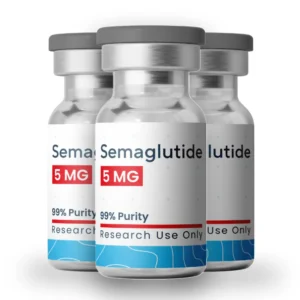
👉 Semaglutide (Ozempic/Wegovy) — targets GLP‑1 only
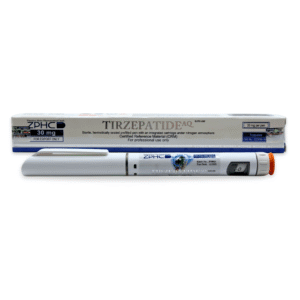
👉 Tirzepatide (Mounjaro/Zepbound) — targets GLP‑1 + GIP
Retatrutide’s triple‑agonist profile may:
✅ Suppress hunger more effectively
✅ Increase calorie burn
✅ Promote deeper weight loss
✅ Improve glucose control
✅ Reduce liver fat and inflammation
The potential benefits are generating significant scientific and media attention.
⚠️ Safety, Side Effects & What We Know
Because Retatrutide 1 mg and other doses are pre‑approval research drugs, full safety data is not yet available. Early studies indicate that:
✅ The most common side effects resemble those seen with GLP‑1 therapies:
• Nausea
• Vomiting
• Diarrhea
• Constipation
❗ Long‑term safety, optimal dosing, and rare adverse events won’t be fully understood until Phase 3 research completes. Patients should not attempt to buy or use experimental Retatrutide products from unregulated online sources.
🌍 Current Availability & Approval Status
Retatrutide is not approved by regulatory agencies such as the U.S. Food & Drug Administration (FDA) or the UK’s MHRA. It exists only within registered clinical trials around the world.
Phase 3 trials under the name TRIUMPH are ongoing, and completion is expected in 2026‑2027. Final approval — if granted — could follow soon after, assuming the data supports safety and effectiveness.
🚫 Any product currently marketed as Retatrutide outside of a clinical setting is unlicensed and may be unsafe or counterfeit. This has been highlighted in mainstream news investigations into unregulated “weight‑loss jabs.”
📈 Real‑World Impact & Future Potential
Retatrutide’s triple action has provoked interest from scientists, clinicians, and patients alike. Though strict medical oversight is essential, here’s what emerging research suggests about its future role:
-
May redefine pharmacological approaches to obesity and metabolic disease
-
Could be a major next step after drugs like Ozempic, Wegovy, and Mounjaro
-
Potential to improve outcomes in type 2 diabetes beyond current single or dual agonists
In the meantime, if you’re exploring proven GLP‑1‑based therapies, you might consider established options such as semaglutide — the active ingredient in Ozempic and Wegovy — available in dosing options that range from starter pens to therapeutic pens. See the full range here:
👉 https://primeweightclinic.uk/product-category/ozempic/
🧠 Key Takeaways: Retatrutide 1 mg
-
📌 Status: Investigational, not FDA‑approved
-
💉 Mechanism: Triple‑agonist (GLP‑1 + GIP + glucagon)
-
🔬 Clinical Data: Shows promising weight loss in early trials
-
⚠️ Safety: Long‑term effects still unknown; side effects similar to GLP‑1 drugs
-
🚫 Availability: Only through clinical trials; not legally prescribable yet
-
💡 Potential: May offer stronger metabolic effects than current therapies



Reviews
There are no reviews yet.