


Description
Retatrutide 4 mg — A Comprehensive Guide to the Next Generation of Metabolic Medicine
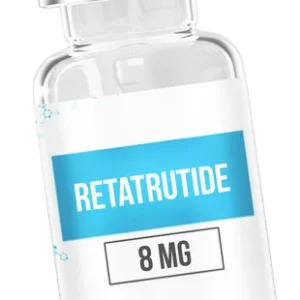
Retatrutide 4 mg is among the most talked‑about investigational medications in metabolic health and obesity science. Early clinical research suggests that retatrutide — a novel multi‑receptor agonist — may deliver significant improvements in weight management, glucose control, and metabolic function compared to existing therapies.
In this detailed guide, you’ll learn what Retatrutide 4 mg is, how it works, what the research shows, its safety considerations, and how it compares to current treatments like semaglutide (the active ingredient in Ozempic and Wegovy). This is your complete and easy‑to‑understand resource crafted to inform both patients and interested clinicians.
What Is Retatrutide 4 mg?
Retatrutide is an investigational, once‑weekly injectable peptide therapy developed by Eli Lilly that simultaneously activates three hormone receptors:
-
GLP‑1 (glucagon‑like peptide‑1) receptor
-
GIP (glucose‑dependent insulinotropic polypeptide) receptor
-
Glucagon receptor
This triple‑agonist design is intended to improve metabolic regulation by combining appetite suppression, improved carbohydrate metabolism, and enhanced energy expenditure — a strategy that goes beyond current single‑target drugs like Ozempic or dual‑target drugs like tirzepatide. (NIH reports & trial summaries)
Retatrutide 4 mg refers to one of the investigational dose levels being evaluated in ongoing clinical trials. Unlike approved medications, retatrutide is not currently licensed for general use — it’s only available within controlled research settings. External link: https://clinicaltrials.gov/
How Retatrutide Works — Multi‑Receptor Action Explained
Retatrutide’s effectiveness may stem from its ability to engage three metabolic pathways simultaneously:
🔹 1. GLP‑1 Receptor Activation
This mechanism:
-
Stimulates glucose‑dependent insulin release
-
Slows gastric emptying
-
Suppresses appetite
External reference: American Diabetes Association (ADA) overview
🔗 https://www.diabetes.org/
🔹 2. GIP Receptor Activation
GIP may:
-
Enhance meal‑related insulin secretion
-
Improve nutrient handling
-
Target fat metabolism
External reference: Peer‑reviewed studies on GIP
🔗 https://www.ncbi.nlm.nih.gov/
🔹 3. Glucagon Receptor Activation
Glucagon activity may:
-
Increase energy expenditure
-
Promote lipolysis (fat breakdown)
-
Modulate liver glucose output
External reference: NIH Metabolic studies
🔗 https://www.ncbi.nlm.nih.gov/
The combination of all three receptor effects makes retatrutide a triple agonist, a potential advancement beyond traditional GLP‑1 alone therapies such as semaglutide.
Clinical Research: What Evidence Says About 4 mg
Retatrutide is currently in Phase 2 and early Phase 3 clinical trials. Multiple trial arms explore different doses — including 1 mg, 2 mg, 4 mg, and higher — to assess safety, tolerability, and metabolic effects.
Key findings from research include:
📌 Body Weight Reductions
Early data has shown significant reductions in body weight — in some cases rivaling or exceeding results seen with GLP‑1 and dual agonists like semaglutide or tirzepatide.
📌 Improved Blood Sugar Control
Trial participants often showed improvements in fasting glucose and HbA1c, which is particularly relevant for people with type 2 diabetes.
📌 Appetite Suppression & Satiety
Patients reported reduced appetite and increased feelings of fullness — important for sustainable weight management.
These results are preliminary and based on controlled clinical settings — so conclusions should be approached with scientific perspective as the Phase 3 research progresses.
External resource on drug development status:
🔗 https://www.drugs.com/history/retatrutide.html
Retatrutide vs. Current Approved Medications
🌿 Retatrutide vs. Semaglutide (e.g., Ozempic/Wegovy)
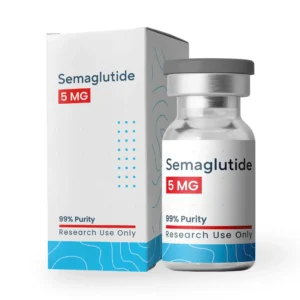
Semaglutide targets only the GLP‑1 receptor, whereas Retatrutide’s multi‑receptor design may provide broader metabolic impact.
For reference on semaglutide‑based dosages and options, including Ozempic products and accessories:
👉 Internal link: https://primeweightclinic.uk/product-category/ozempic/
⚖ Retatrutide vs. Tirzepatide
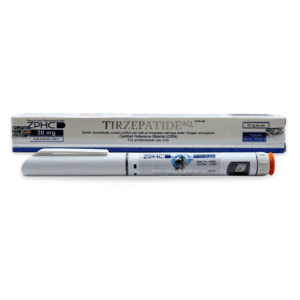
Tirzepatide targets GLP‑1 and GIP receptors. Retatrutide adds glucagon receptor activity to the mix, offering a potentially stronger metabolic effect — though more long‑term data is needed before direct clinical comparisons can be conclusively made.
Safety Profile and Side Effects
Since retatrutide is still under investigation, complete safety and side‑effect profiles are evolving and have not been fully established. However, early clinical observations suggest:
✳ Common (similar to other incretin‑based therapies)
-
Nausea
-
Vomiting
-
Diarrhea
-
Constipation
External reference: NIH‑hosted semaglutide label
🔗 https://dailymed.nlm.nih.gov/
⚠ Unknown Long‑Term Effects
Retatrutide’s broader receptor activation necessitates careful monitoring for rare or unexpected reactions as research continues. All administration is under clinical oversight, and unregulated use outside trials is strongly discouraged.
Who Might Benefit from Retatrutide?
Although not yet approved, retatrutide research suggests potential benefit for adults seeking treatment for:
-
Obesity or overweight with related health risks
-
Type 2 diabetes or impaired glucose control
-
Metabolic syndrome
-
Difficulty achieving weight goals with existing therapies
Decisions about medication use and eligibility should always be guided by a qualified healthcare provider.
Availability & Legal Status
At this time, Retatrutide 4 mg is not approved by regulatory agencies such as the U.S. Food & Drug Administration (FDA), European Medicines Agency (EMA), or MHRA (UK) for routine clinical use. It is available only within registered clinical trials.
External clinical trial search:
🔗 https://clinicaltrials.gov/
Any medication marketed as “Retatrutide” outside of clinical trials should be treated with caution — many unregulated products promoted online can be unsafe or counterfeit.
Frequently Asked Questions (FAQ)
Is Retatrutide 4 mg approved for weight loss?
No. Retatrutide is investigational and not yet approved for weight loss or diabetes treatment by regulatory agencies.
How does Retatrutide compare to Ozempic?
Ozempic (semaglutide) is approved and widely used, whereas retatrutide remains in clinical development. Both work on glucose metabolism, but retatrutide also targets additional hormonal pathways.
For semaglutide resources and options, check:
👉 Internal link: https://primeweightclinic.uk/product-category/ozempic/
Will Retatrutide become available soon?
Ongoing Phase 3 trials are expected to clarify safety and efficacy. Approval timelines depend on trial results and regulatory evaluations.
Final Thoughts: Why Retatrutide Matters
Retatrutide 4 mg represents one of the most promising frontiers in metabolic drug development today. Its triple‑receptor approach — combining GLP‑1, GIP, and glucagon activity — could offer deeper metabolic impact than currently approved therapies.
However, it remains investigational, and real‑world approval and clinical use are pending further evidence from Phase 3 research.
In the meantime, patients interested in proven treatments may explore FDA‑approved options such as semaglutide‑based therapies (e.g., Ozempic or Wegovy). For dosing options, delivery devices, and product details, visit:
👉 https://primeweightclinic.uk/product-category/ozempic/


Reviews
There are no reviews yet.