

Description
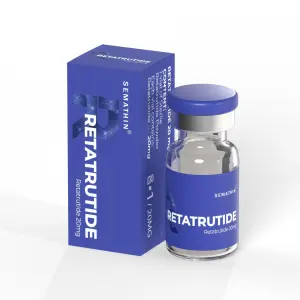
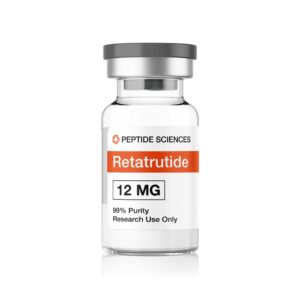
Retatrutide 2 mg – Advanced Metabolic Support for Sustainable Weight Management
Retatrutide 2 mg represents one of the most innovative developments in modern metabolic medicine. Designed as a next-generation injectable therapy currently under clinical investigation, Retatrutide works through a unique triple-hormone receptor mechanism to support meaningful weight reduction and improved metabolic control.
If you are exploring medically guided weight management solutions, you can also view our full range of clinically supervised treatments here:
👉 Internal Link: https://primeweightclinic.uk/product-category/ozempic/
What Is Retatrutide 2 mg?
Retatrutide is an investigational once-weekly injectable peptide developed to target three key hormonal pathways involved in weight regulation and glucose metabolism:
-
GLP-1 (Glucagon-Like Peptide-1) receptor
-
GIP (Glucose-Dependent Insulinotropic Polypeptide) receptor
-
Glucagon receptor
This triple-agonist approach distinguishes it from medications such as Ozempic (semaglutide), which primarily targets the GLP-1 receptor.
According to publicly available clinical data presented by Eli Lilly, Retatrutide has demonstrated significant potential in supporting substantial weight reduction in adults with obesity or overweight conditions in early-phase trials.
For independent clinical information on obesity and treatment options, you can review resources from:
-
National Health Service – https://www.nhs.uk
-
World Health Organization – https://www.who.int
-
National Institute of Diabetes and Digestive and Kidney Diseases – https://www.niddk.nih.gov
How Retatrutide 2 mg Works
Retatrutide 2 mg works by influencing multiple hormonal systems that regulate appetite, energy expenditure, and blood sugar balance.
1. Appetite Regulation (GLP-1 Pathway)
GLP-1 receptor activation helps:
-
Reduce hunger signals
-
Increase feelings of fullness
-
Slow gastric emptying
-
Improve insulin secretion
2. Metabolic Enhancement (GIP Pathway)
GIP receptor activity may:
-
Enhance insulin sensitivity
-
Improve glucose utilisation
-
Support healthier metabolic responses
3. Energy Expenditure (Glucagon Pathway)
Glucagon receptor stimulation may:
-
Increase energy expenditure
-
Promote fat metabolism
-
Assist in long-term weight maintenance
This three-pronged mechanism is what makes Retatrutide a promising advancement in medical weight management.
Why Retatrutide 2 mg May Be Used
The 2 mg dosage may be introduced during dose titration under medical supervision. In clinical practice, lower doses are often used to:
-
Help the body adapt gradually
-
Minimise gastrointestinal side effects
-
Build tolerance before higher therapeutic doses
Always follow guidance from a qualified healthcare professional when considering any prescription-based treatment.
For alternative or established GLP-1 options, explore:
👉 https://primeweightclinic.uk/product-category/ozempic/
Potential Benefits Observed in Clinical Research
Early clinical studies have reported:
-
Significant body weight reduction
-
Improvements in blood sugar control
-
Reduced waist circumference
-
Enhanced cardiometabolic markers
In some trials presented at major scientific conferences, higher doses of Retatrutide demonstrated weight reductions exceeding what has historically been observed with single-hormone therapies. However, it remains under clinical development and regulatory review.
For updated scientific data, refer to peer-reviewed publications indexed on:
-
PubMed – https://pubmed.ncbi.nlm.nih.gov
Who May Be Suitable for Retatrutide?
Clinical trials have generally focused on adults who:
-
Have obesity (BMI ≥30)
-
Are overweight (BMI ≥27) with weight-related conditions
-
Have type 2 diabetes or metabolic syndrome
-
Have struggled with lifestyle-only weight reduction
Medical evaluation is essential before beginning any injectable therapy.
Administration and Monitoring
Retatrutide is administered via subcutaneous injection, typically once weekly. Key aspects include:
-
Injection into abdomen, thigh, or upper arm
-
Rotating injection sites
-
Regular follow-up appointments
-
Ongoing monitoring of metabolic markers
A supervised clinical setting ensures optimal safety and effectiveness.
Possible Side Effects
Like other incretin-based therapies, Retatrutide may cause:
-
Nausea
-
Vomiting
-
Diarrhoea
-
Reduced appetite
-
Mild gastrointestinal discomfort
These effects are often dose-related and may decrease over time as the body adapts.
Anyone with a history of certain endocrine conditions should consult a healthcare professional before use.
Retatrutide vs GLP-1 Medications
| Feature | Retatrutide | Ozempic (Semaglutide) |
|---|---|---|
| Hormone Targets | GLP-1 + GIP + Glucagon | GLP-1 only |
| Administration | Weekly injection | Weekly injection |
| Status | Investigational | Approved |
| Weight Loss Potential | Promising high efficacy | Clinically proven |
If you are considering established GLP-1 therapies, browse available options here:
👉 https://primeweightclinic.uk/product-category/ozempic/
The Future of Weight Management
Obesity is recognised globally as a chronic, relapsing medical condition. Organisations such as the World Obesity Federation emphasise the importance of evidence-based medical treatment alongside lifestyle changes.
Retatrutide represents a potential evolution in obesity pharmacotherapy by addressing multiple metabolic pathways simultaneously.
Important Disclaimer
Retatrutide is currently under clinical investigation and may not yet be widely approved for general prescription use. Always consult a licensed healthcare professional for medical advice tailored to your individual health profile.
Final Thoughts
Retatrutide 2 mg reflects the next wave of science-driven weight management innovation. By targeting three distinct hormonal pathways, it may offer a comprehensive metabolic approach that goes beyond appetite suppression alone.
For patients seeking clinically supervised GLP-1 weight management treatments available today, explore our collection here:
👉 https://primeweightclinic.uk/product-category/ozempic/
Your journey toward sustainable weight management should always be guided by qualified medical professionals and grounded in evidence-based care.


Reviews
There are no reviews yet.